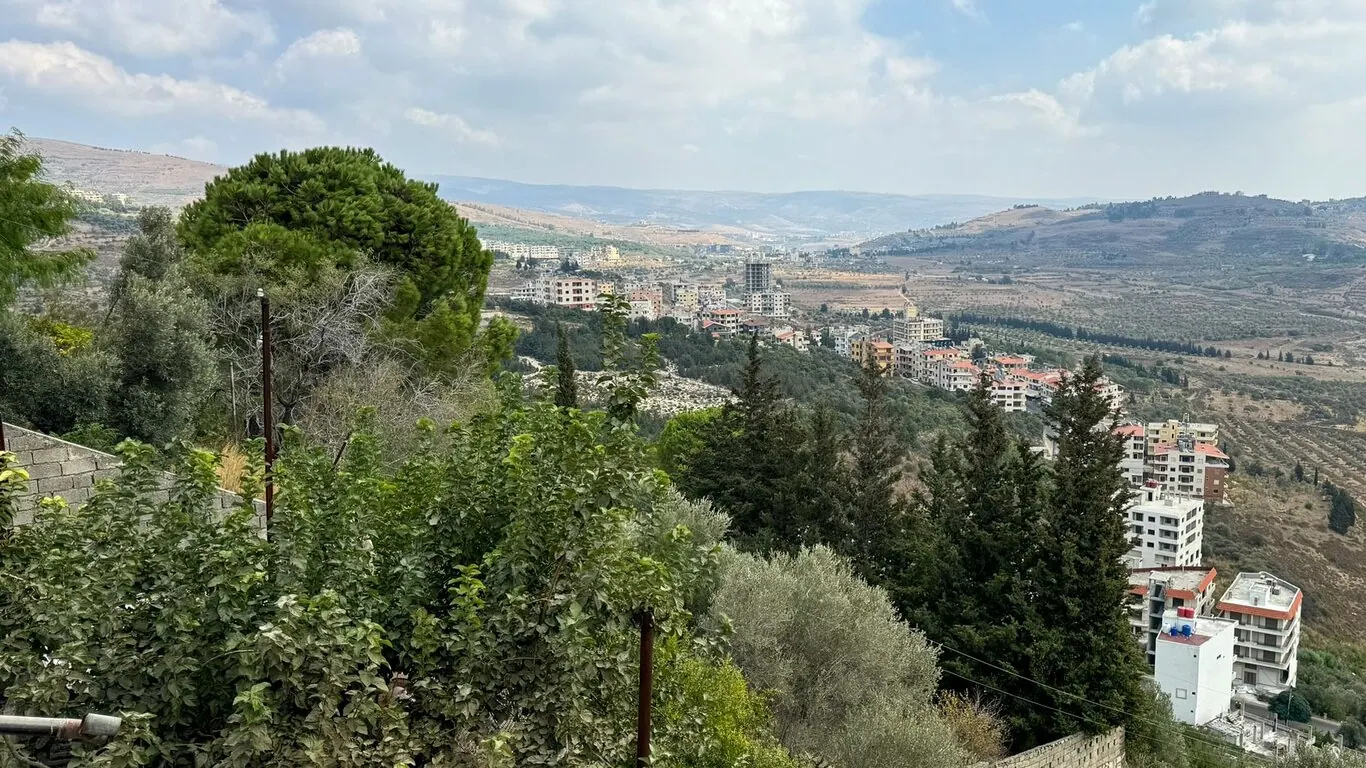
The village is rich in natural vegetation due to its environment providing warmth and humidity. The diversity of these plants forms a distinct natural reserve that the state seeks to preserve, through forestry and guidance units.
Water in Almishtaya
Historically, the village relied generally on rainwater and particularly on the abundant springs surrounding it, with an average annual flow rate of 100 liters per minute, including:
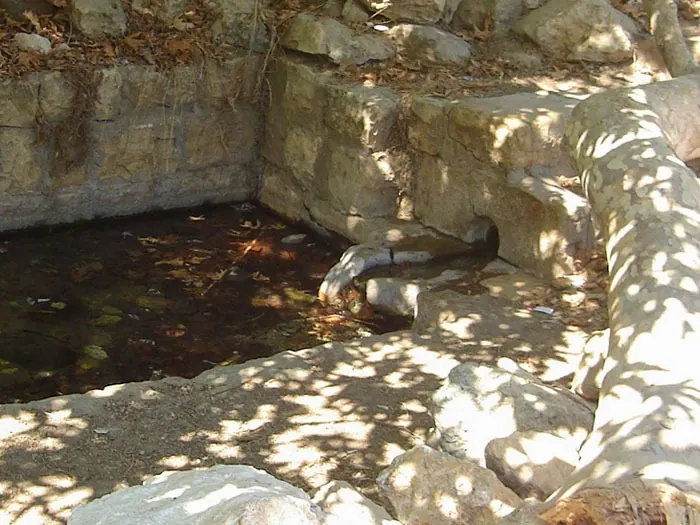
Al-Barak Springs
Ain al-Maliha, Ain al-Wusta and Ain al-Barak
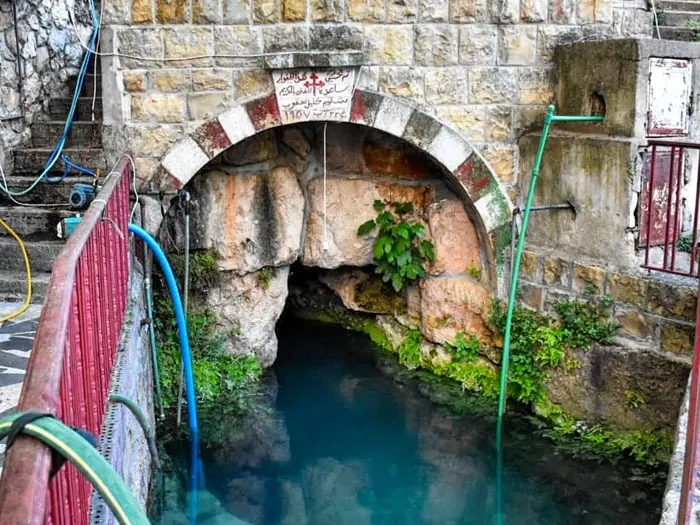
Ain Saoud Springs
Ain al-Fawwar (Zuweitina) and Ain al-Rawas
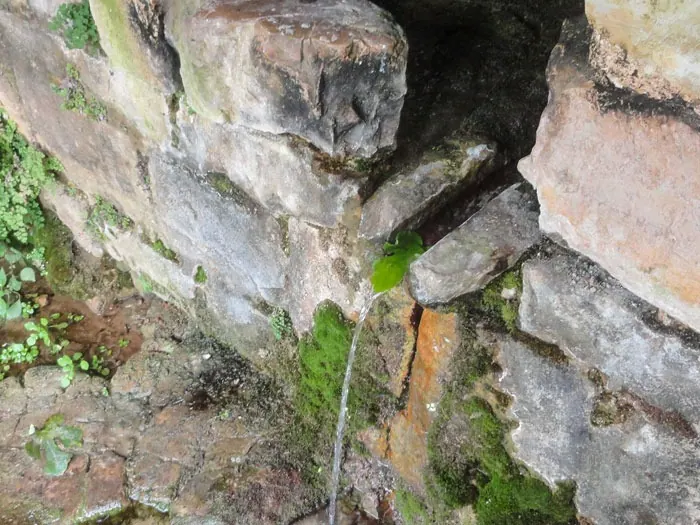
Wadi al-Shahmin Springs
Ain al-Marha, Ain al-Jawza, Ain al-Basal and Ain Kafra
Recently, in 1956, an artesian well was drilled to feed Almishtaya and Kafra villages. Later, another well was inaugurated in 2001, and both were connected to the Public Establishment for Drinking Water.
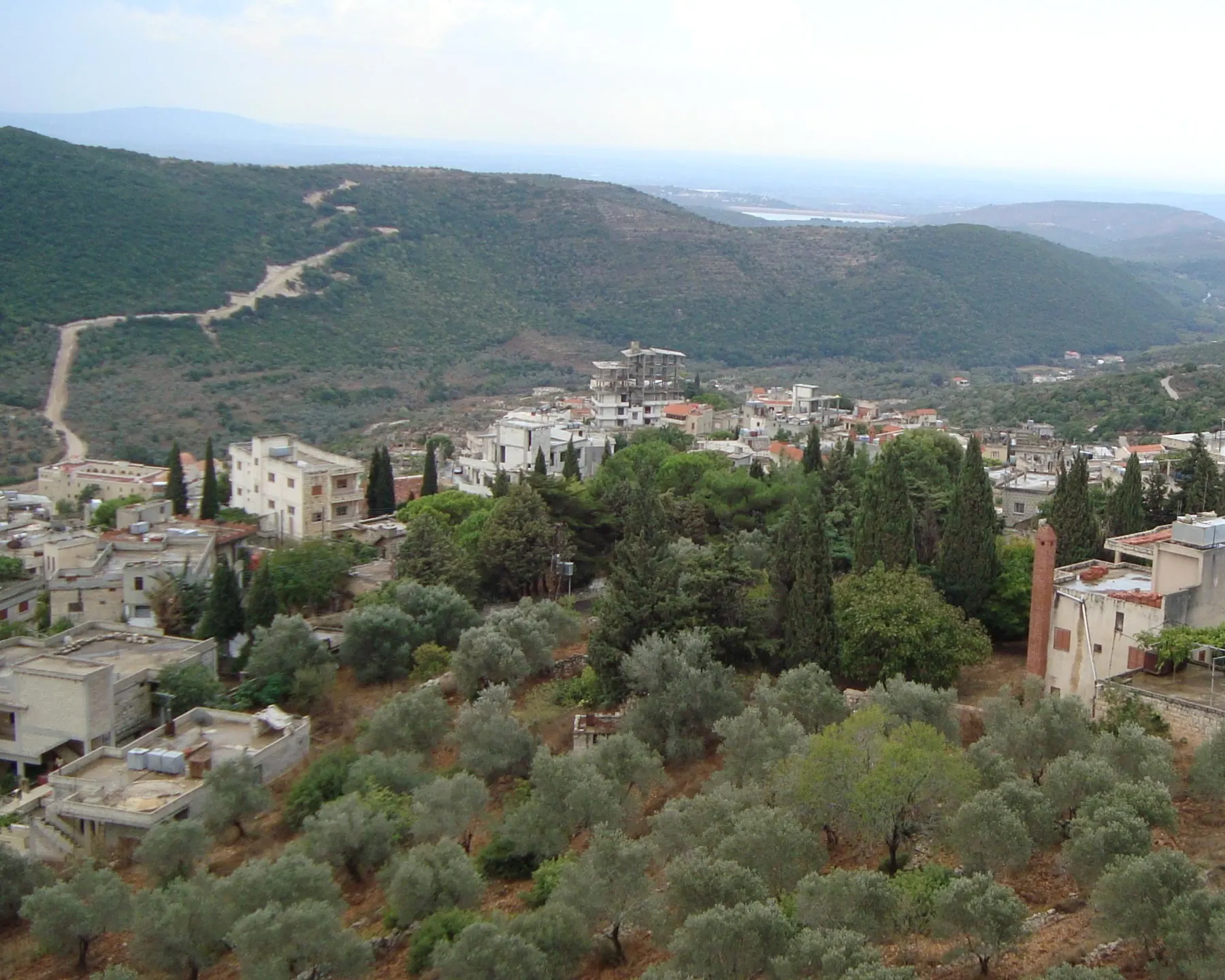
Natural Trees
Common types include Oak, Terebinth, Syrian Maple, Wild Pear, Wild Almond, Oleander, Linden, Oriental Plane, Carob, Wild Hawthorn, Broom, Walnut, Pine, Juniper, Evergreen Cypress, Fig, and others.
Seasonal Plants
Oats, Broad Beans, Mallow, Reed, Wild Chicory, Chard, Hyssop, Black Cumin, Arugula, Melon, Long-leaved Mint, Marjoram, Thistle, Carnation, Clover, Lupin, Nettle, Lentil, Berry, Fennel, Wild Thyme, Chives, Wormwood, Fenugreek, Gourd, Purslane, Wild Asparagus, and others.
Flowers
A variety of plants bloom, including Chrysanthemum, Tulip, Anemone, Catnip, Jasmine, Bouvardia, Iris, and others.
Forest Animals
Animals in the region include: Wild Rabbit, Striped Hyena, Wolf, Turtle, Weasel, Hedgehog, Wild Cat, Red Fox, and Wild Boar.
Birds & Wildlife
Birds
Reptiles and Insects
Snakes, Scorpions, Lizards, Worms, Ants, Wasps, Locusts, Cockroaches, Beetles, Spiders, Frogs.
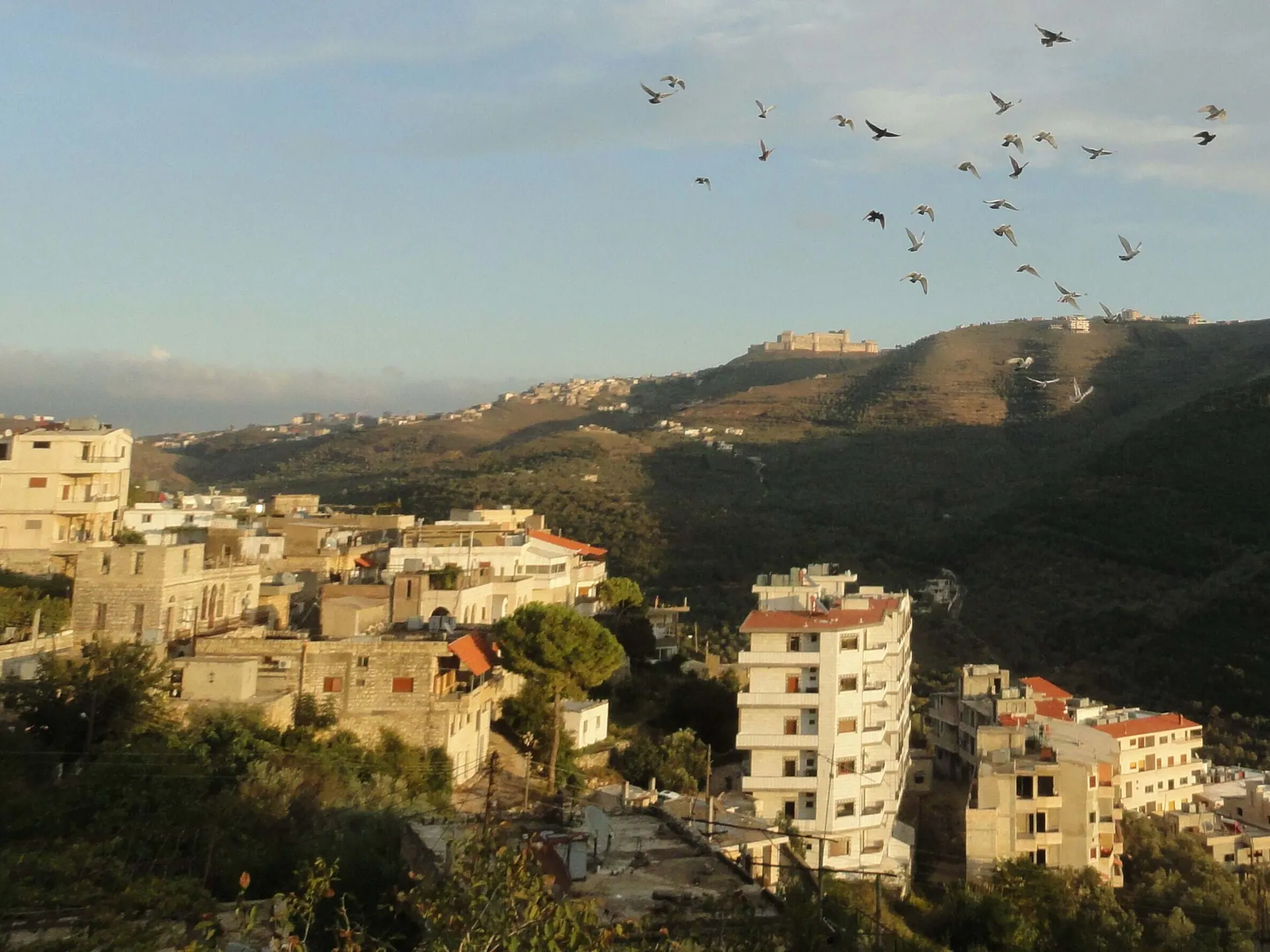
From the book: Almishtaya... A Civilizational Memory | By Author: Ramez Elias Salibi