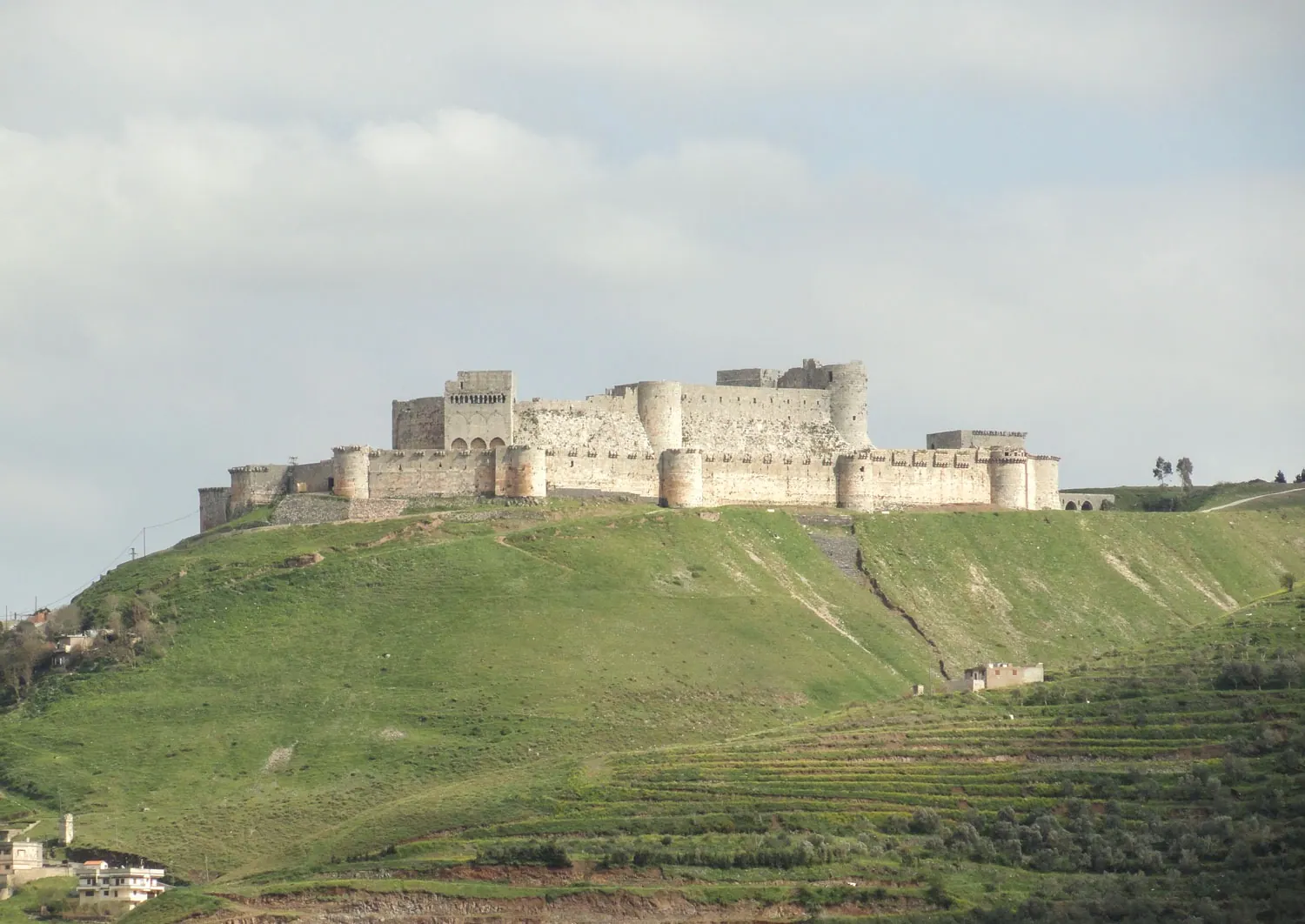
Krak des Chevaliers is one of the most significant preserved medieval castles in the world. Located in Syria, it stands as a living testament to Crusader military ingenuity. Built in the 12th century, it was a strategic stronghold for the Knights Hospitaller. Due to its stunning architecture and historical status, it is a UNESCO World Heritage site.
Historical Background
Crusades and Knights Hospitaller
The Crusades were religious campaigns to reclaim the Holy Land. The Hospitallers, originally a charity, became a formidable military force. Following the First Crusade, they established states in the Levant, including the County of Tripoli where Krak is located.
Construction and Expansion
Originally built by the Emir of Aleppo in the 11th century, the castle saw massive expansion after the Hospitallers took control in 1142. Over the next century, it became one of the most fortified castles of its era, controlling vital trade routes through the Homs Gap.
Architectural Design
Layout and Structure
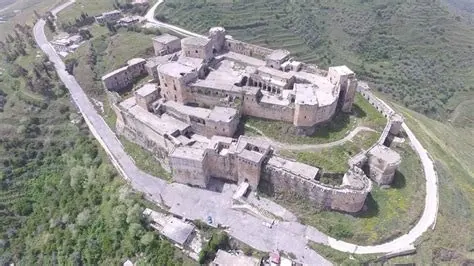
The castle is divided into two main parts: the outer wall and the inner keep. The outer wall housed stables and workshops, while the inner keep contained the chapel, great hall, and knight quarters. Its concentric design is a hallmark of Crusader military architecture.
Defensive Features
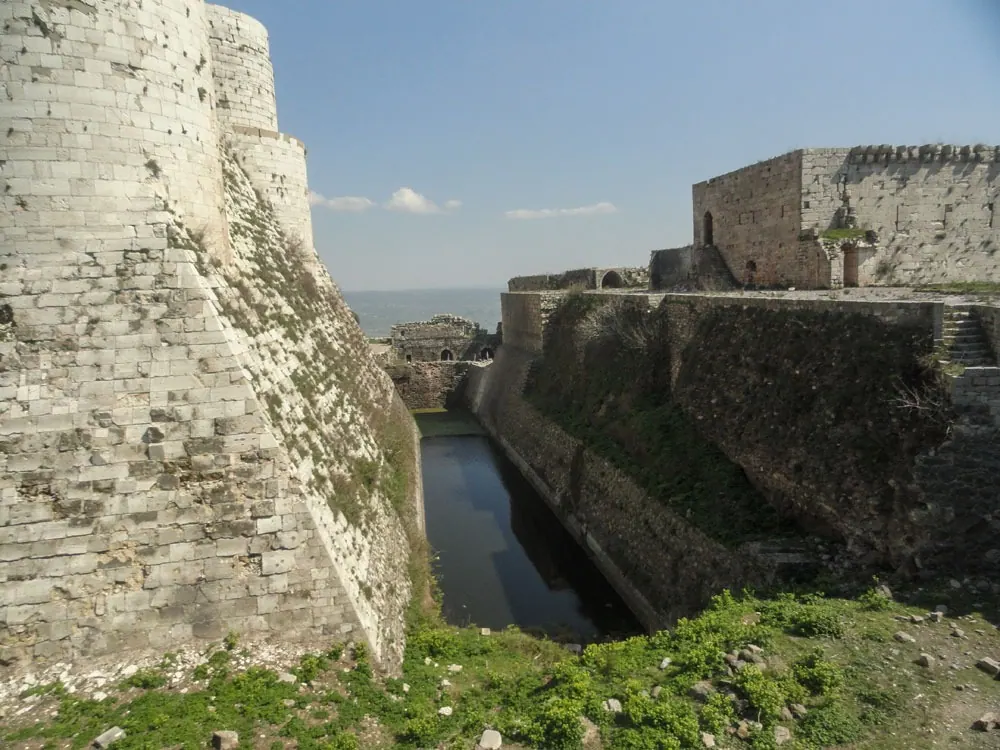
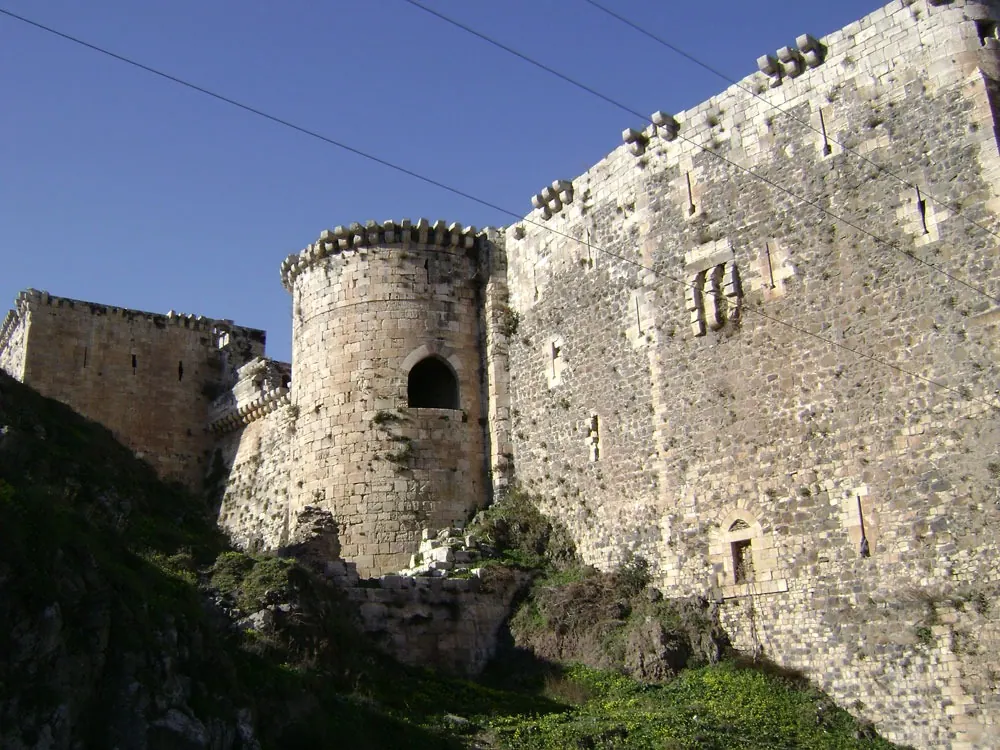
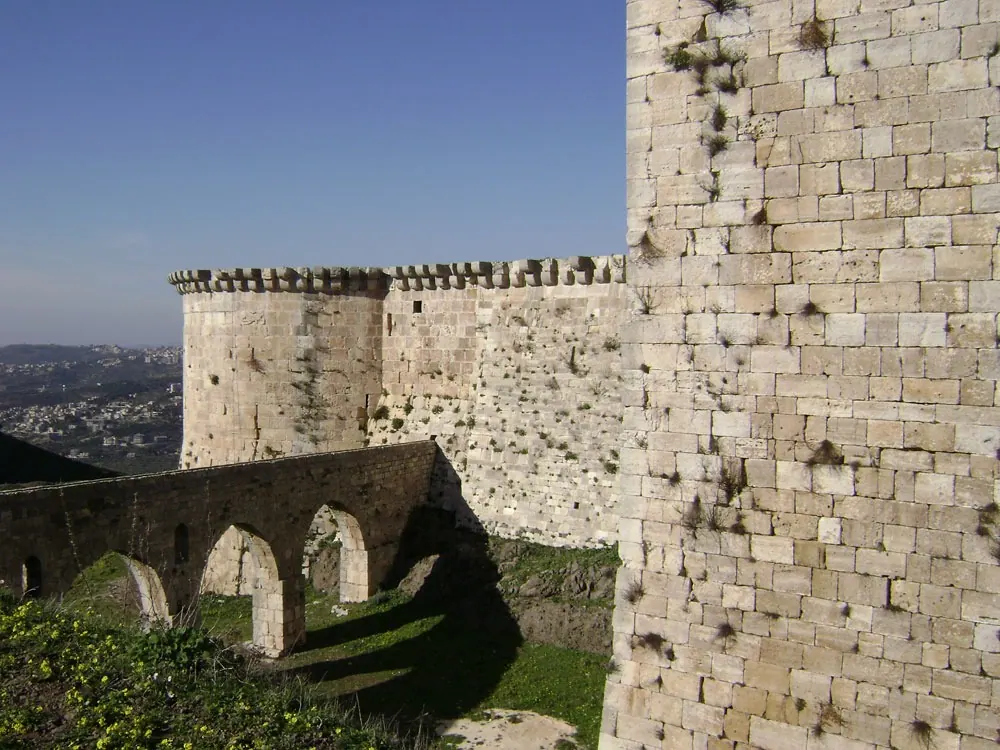
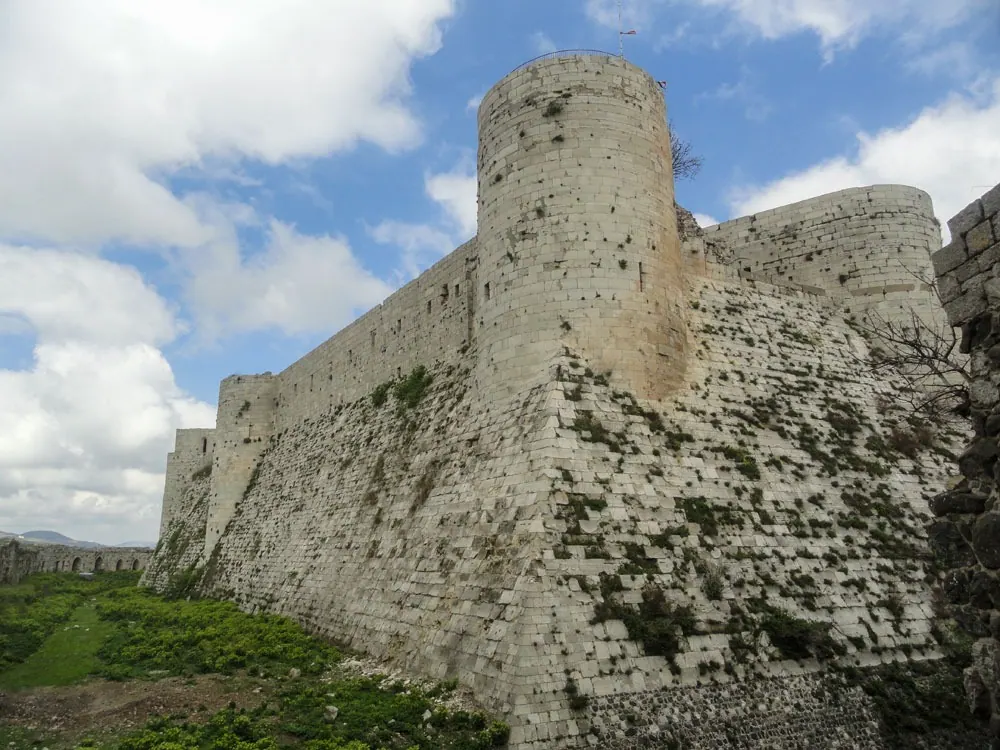
Walls built from massive limestone blocks reach up to 30 meters high. Strategic towers allowed defenders to target attackers from multiple angles. A stone glacis prevented siege engines from breaching the walls, while sally ports allowed for surprise attacks.
Living Quarters and Facilities
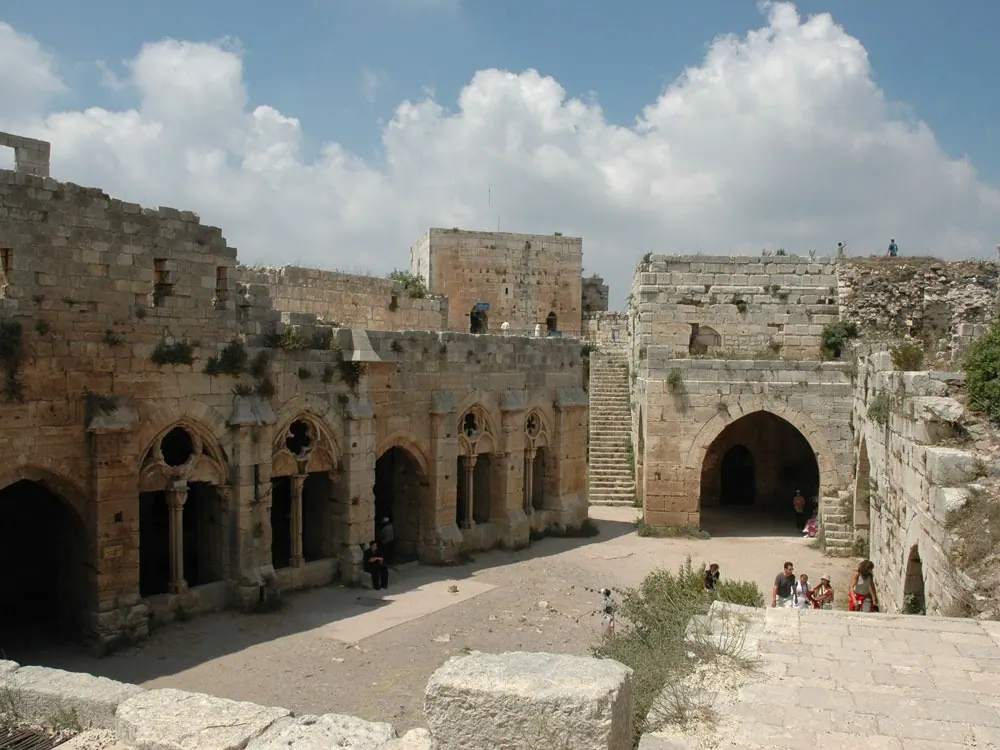
Despite its military role, Krak was also a residence. The inner keep features spacious living areas, a chapel dedicated to St. John the Baptist with elegant vaults, and a Great Hall used for meetings and banquets.
Sieges and Military Campaigns
The Siege of 1271
In 1271, Mamluk Sultan Baybars besieged the castle. Despite its defenses, the Mamluks breached the outer walls using siege engines and mining. Defenders negotiated a surrender, allowing them to withdraw to Tripoli. This marked the end of Crusader dominance in the region.
Later History and Restoration
After its capture, the Mamluks modified the castle, adding a mosque. Over centuries, it remained strategically important but suffered neglect. In the 19th and 20th centuries, it was rediscovered and restored, becoming a UNESCO site in 2006.
Legacy and Cultural Impact
Symbol of Crusader Power
Krak des Chevaliers remains a symbol of Crusader military and architectural achievement, reflecting strategic thinking and engineering prowess.
Influence on Military architecture
The castle's concentric design and advanced defensive features influenced military architecture across Europe and the Middle East for generations.
References
- 1
Kennedy, Hugh. Crusader Castles. Cambridge University Press, 1994.
- 2
Nicolle, David. Krak des Chevaliers 1110–1291. Osprey Publishing, 2008.
- 3
UNESCO World Heritage Centre. "Crac des Chevaliers and Qal'at Salah El-Din". https://whc.unesco.org/en/list/1229
- 4
Folda, Jaroslav. Crusader Art in the Holy Land: From the Third Crusade to the Fall of Acre, 1187–1291. Cambridge University Press, 2005.
- 5
Boas, Adrian J. Crusader Archaeology: The Material Culture of the Latin East. Routledge, 1999.