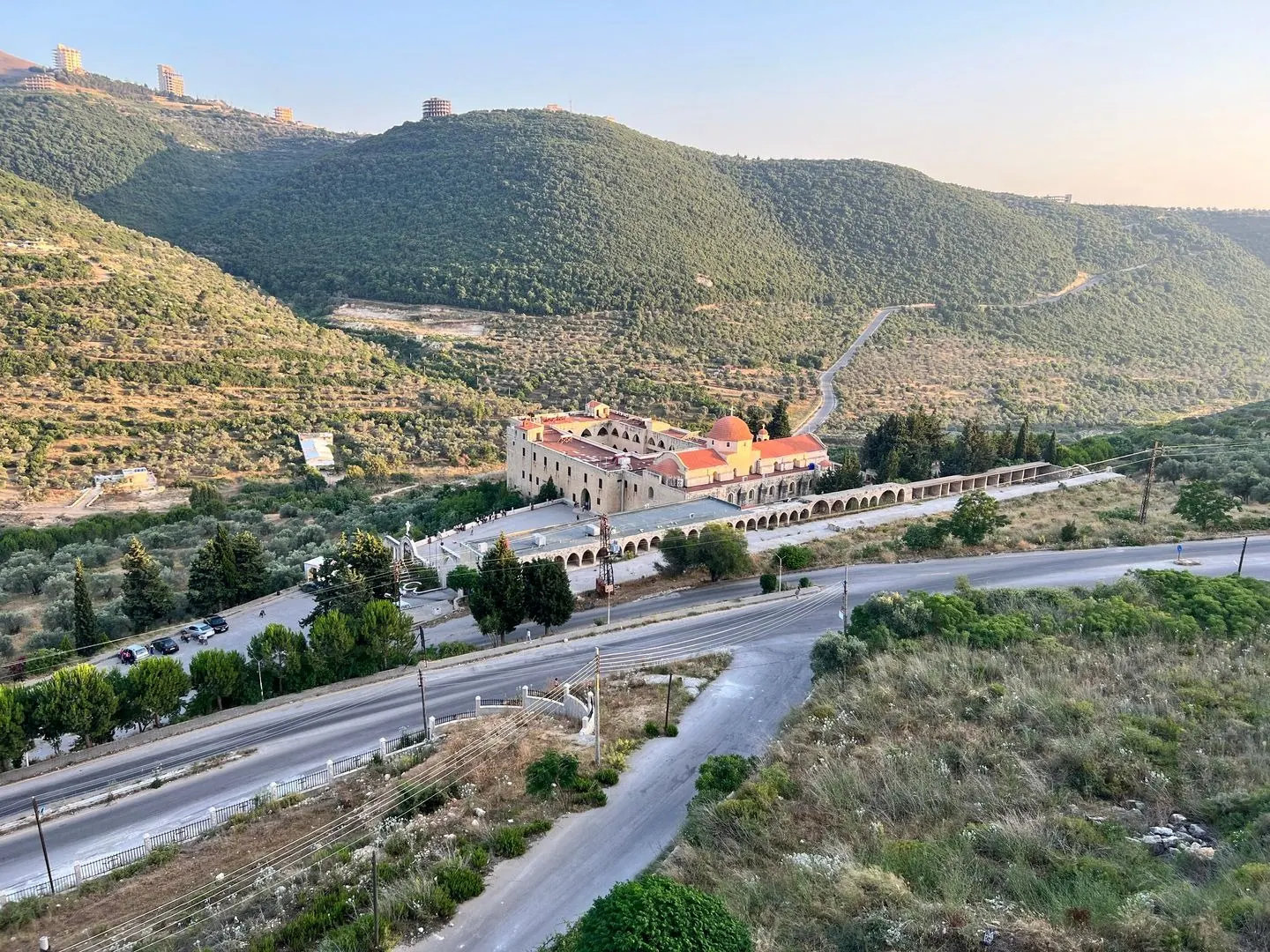
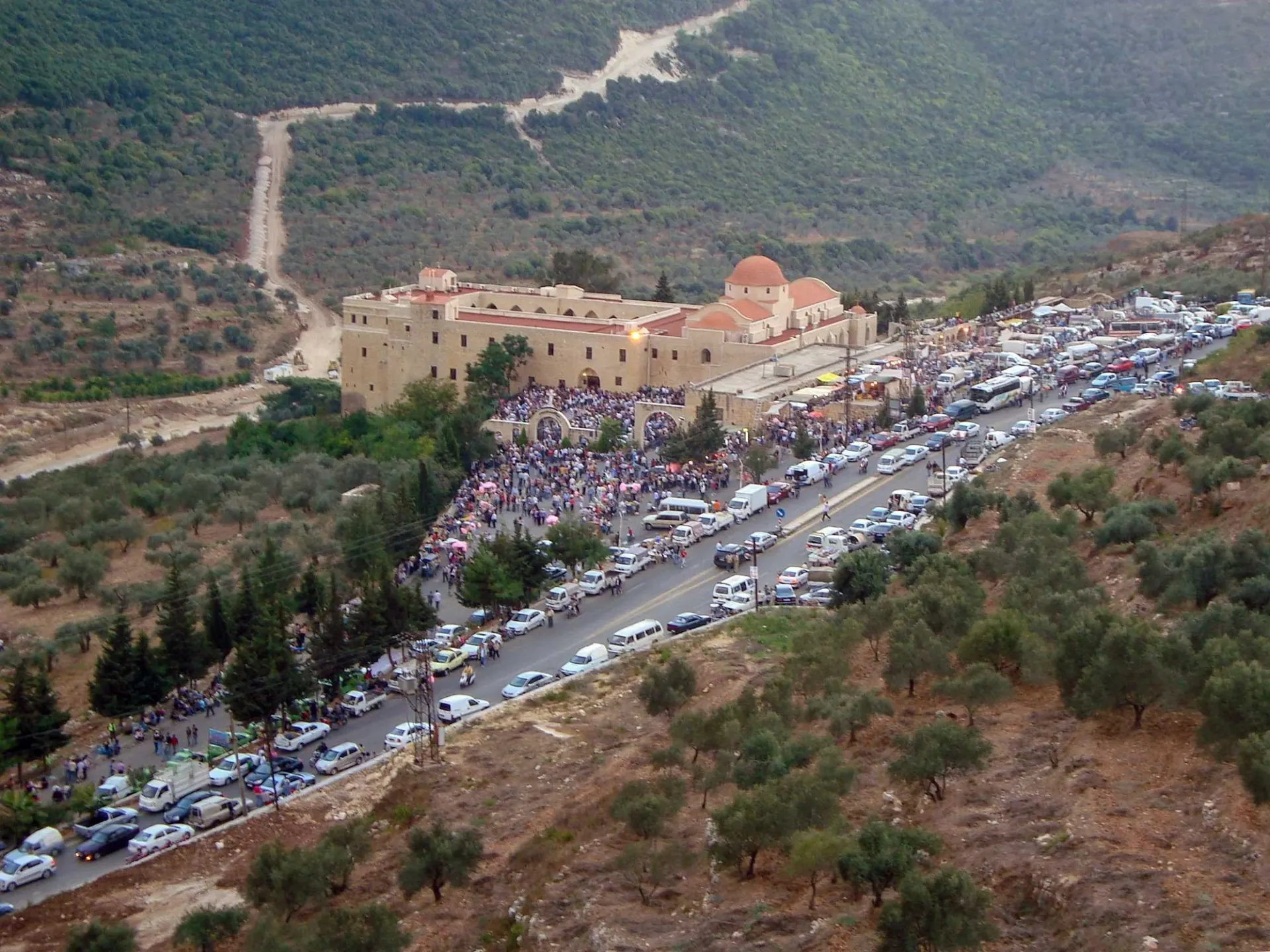
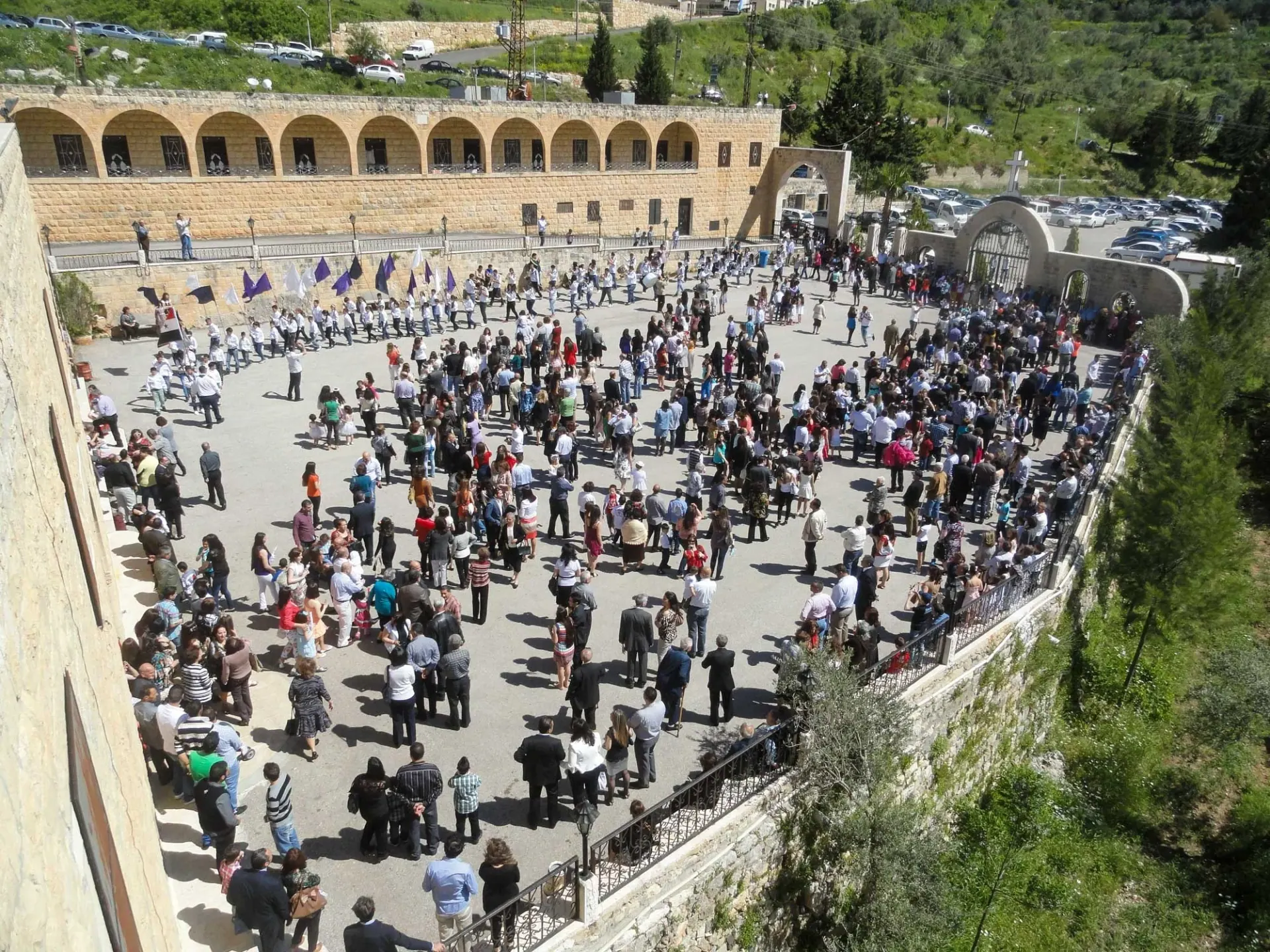
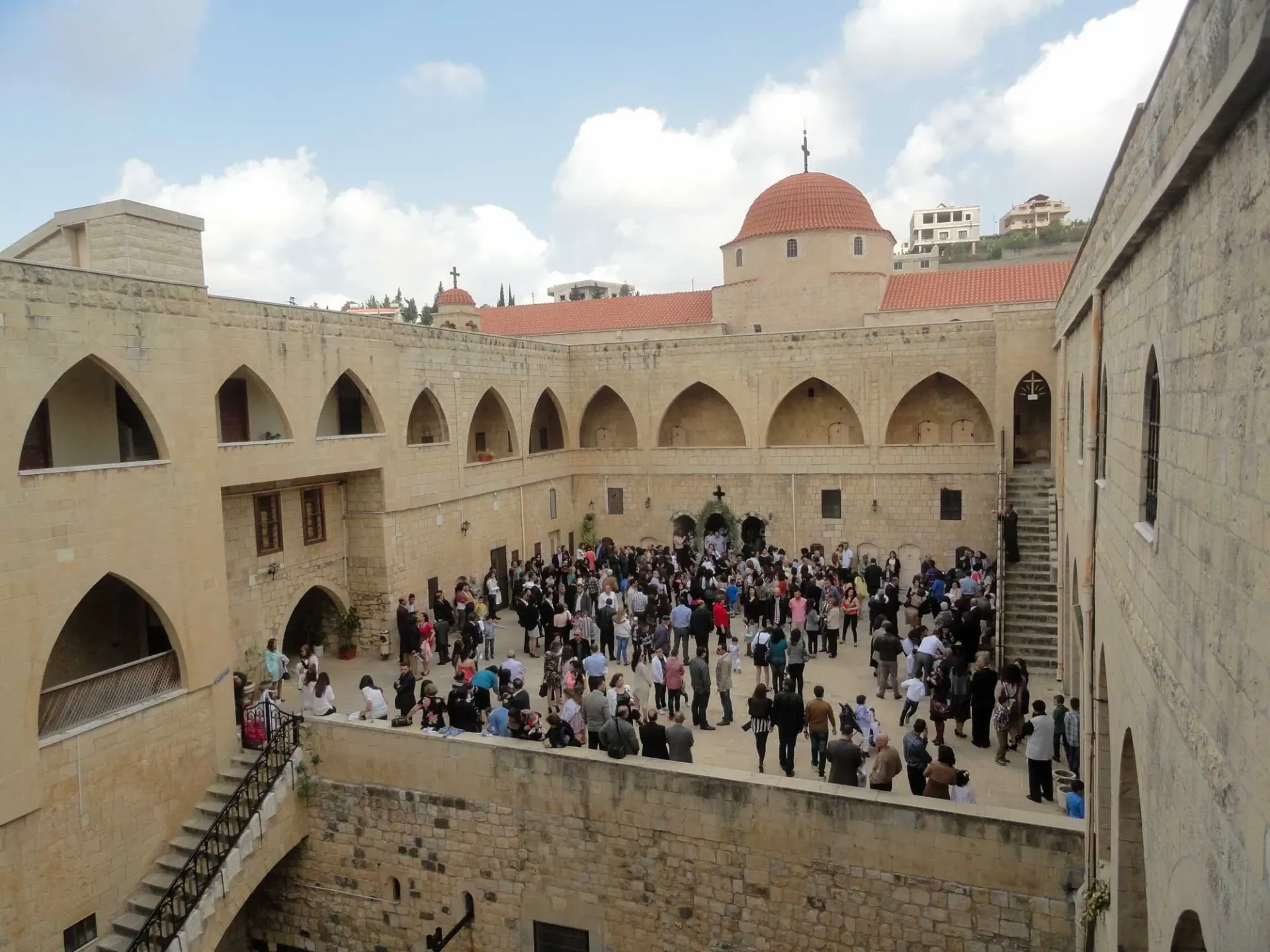
St. George Al-Humayra Patriarchal Monastery, located in the village of Almishtaya within the "Wadi Alnasara" region of Syria, stands as a living testament to centuries of spiritual devotion and historical significance. This revered Antiochian Orthodox sanctuary has continuously served as a beacon of faith, culture, and community cohesion across generations.
Monastery Archive (1960 - 1970)
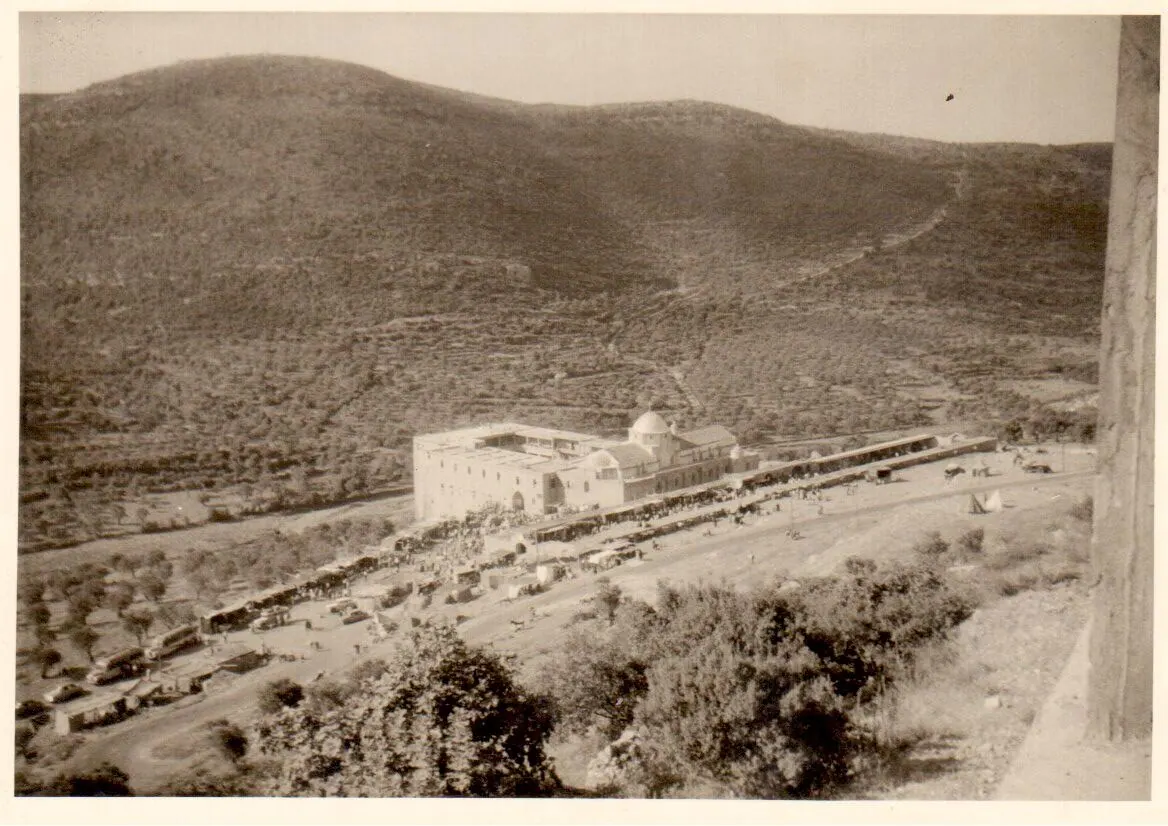
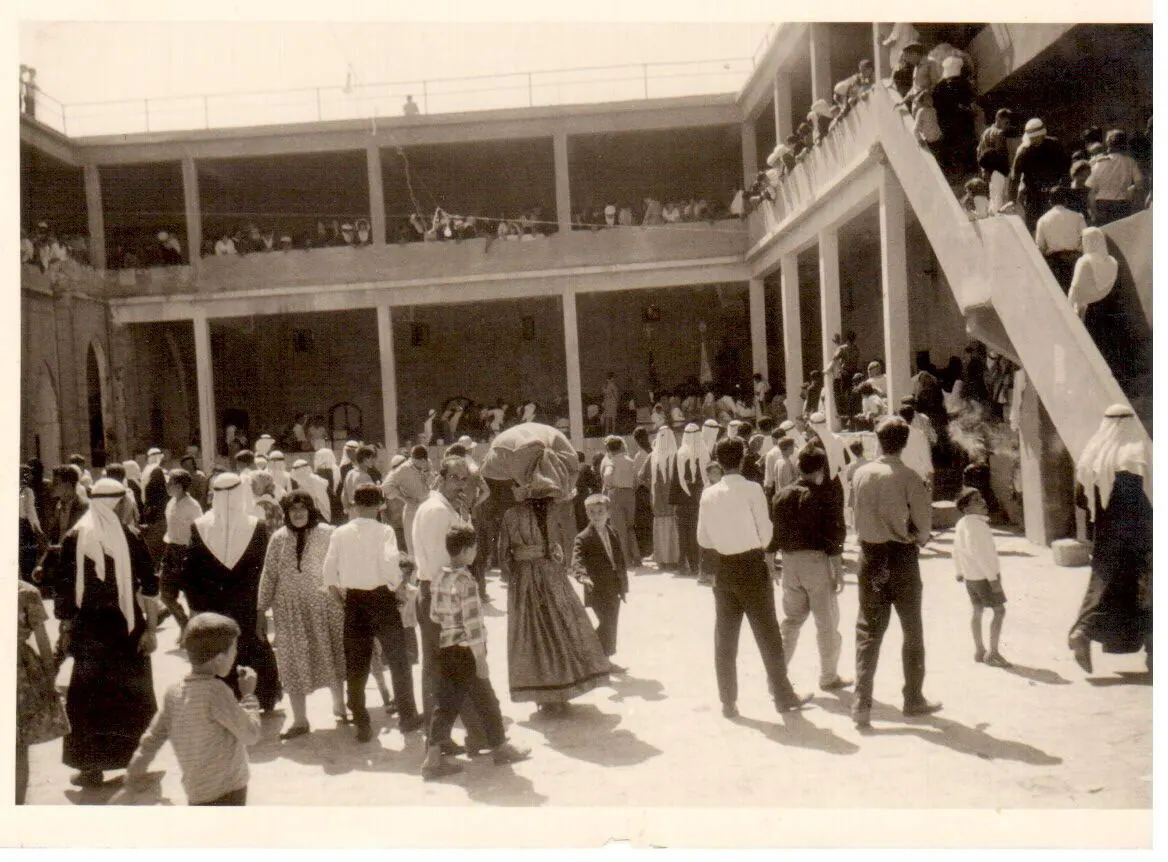
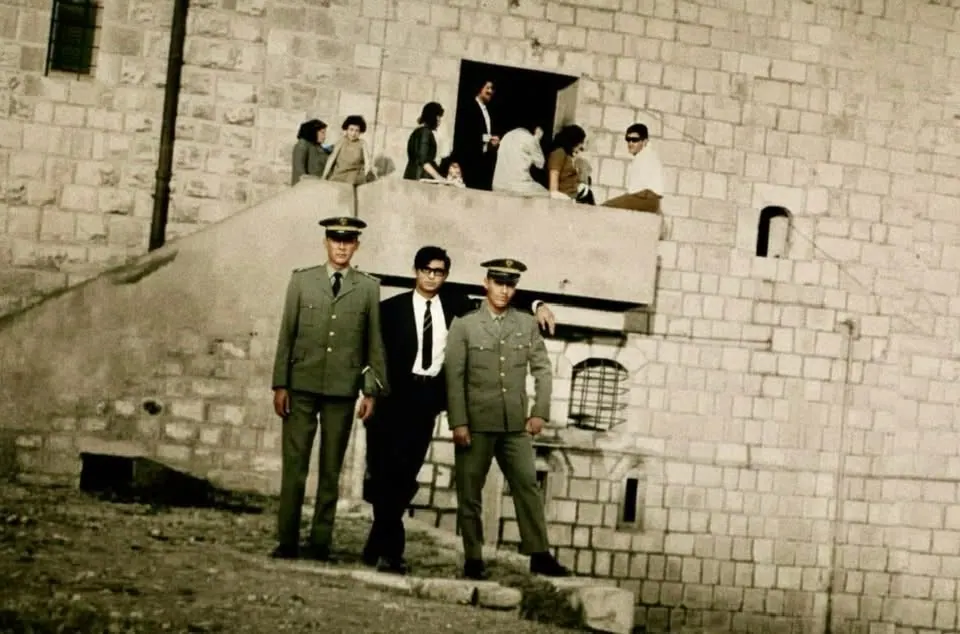
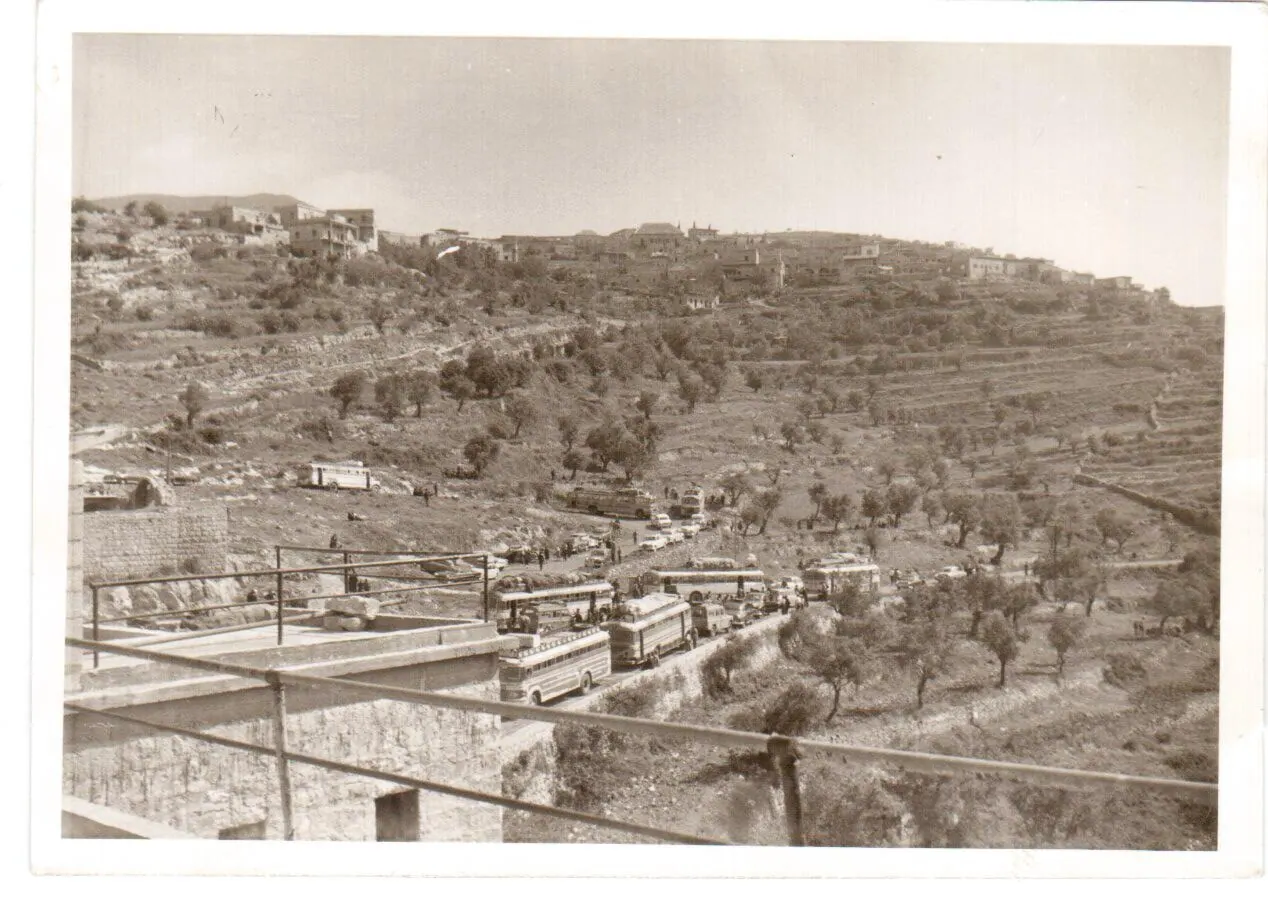

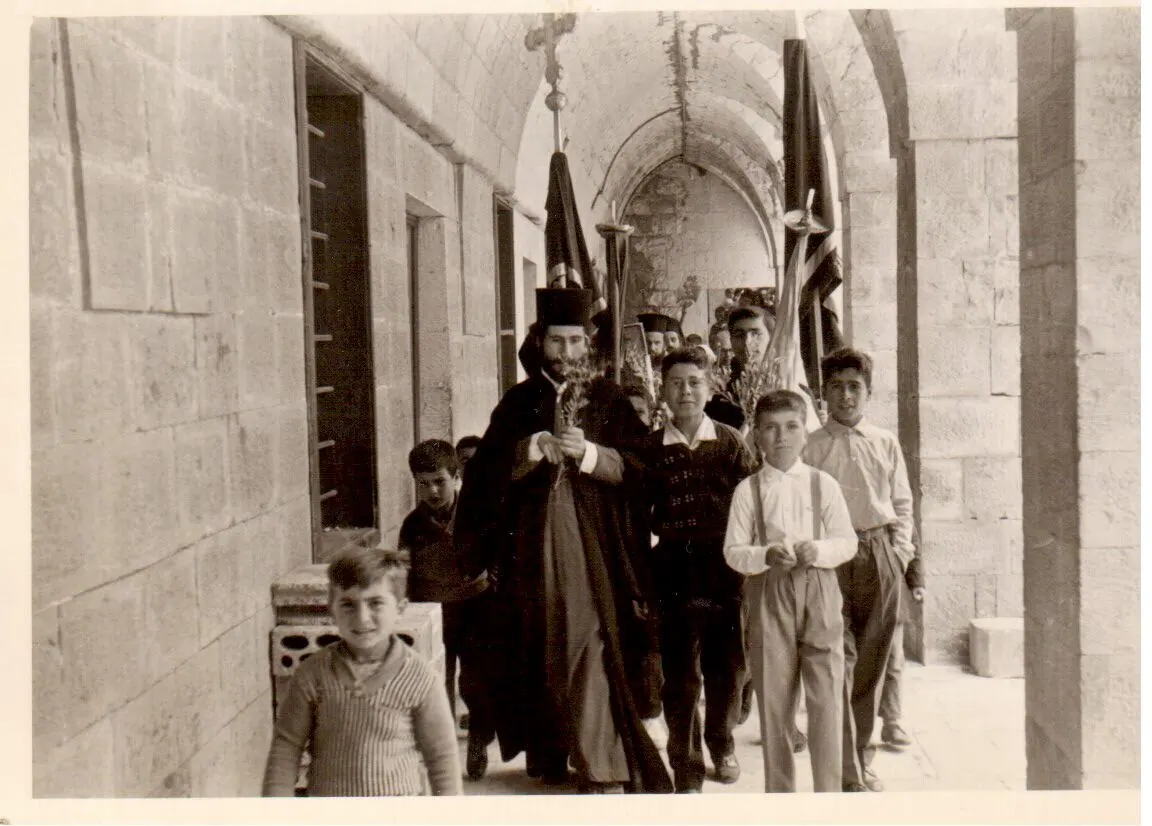
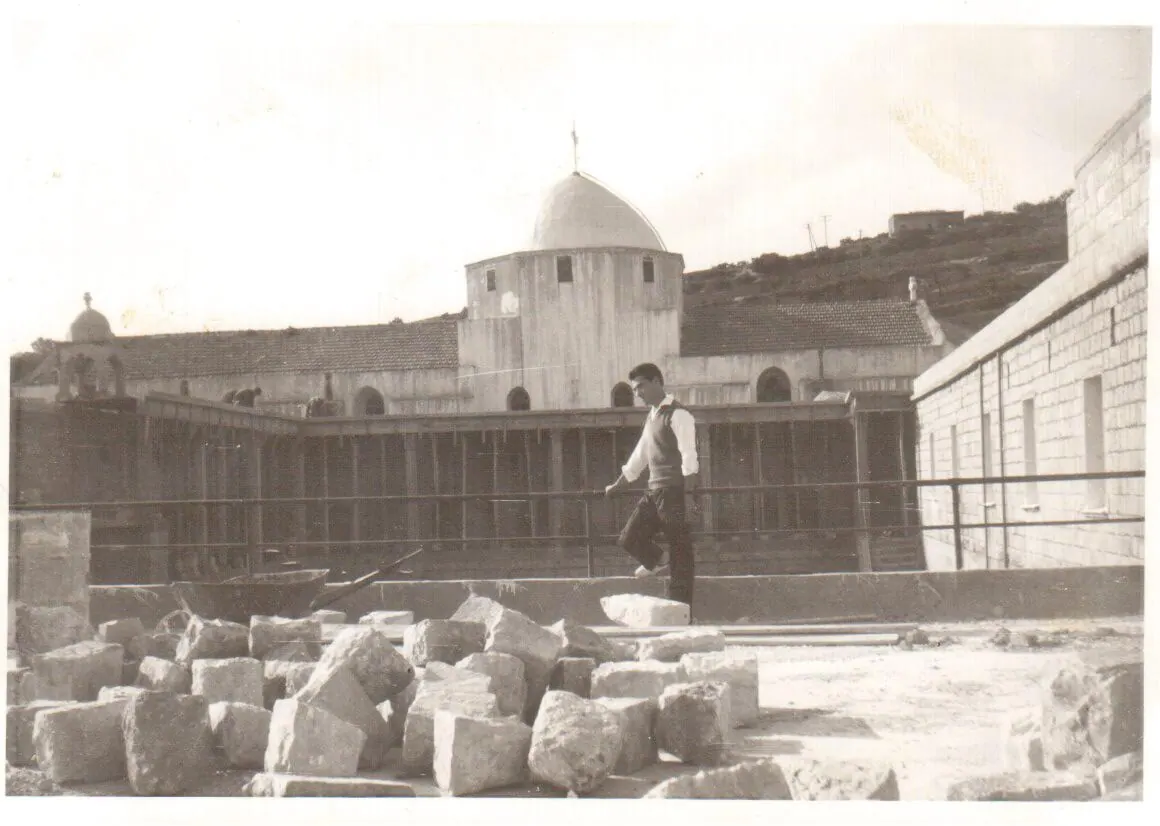
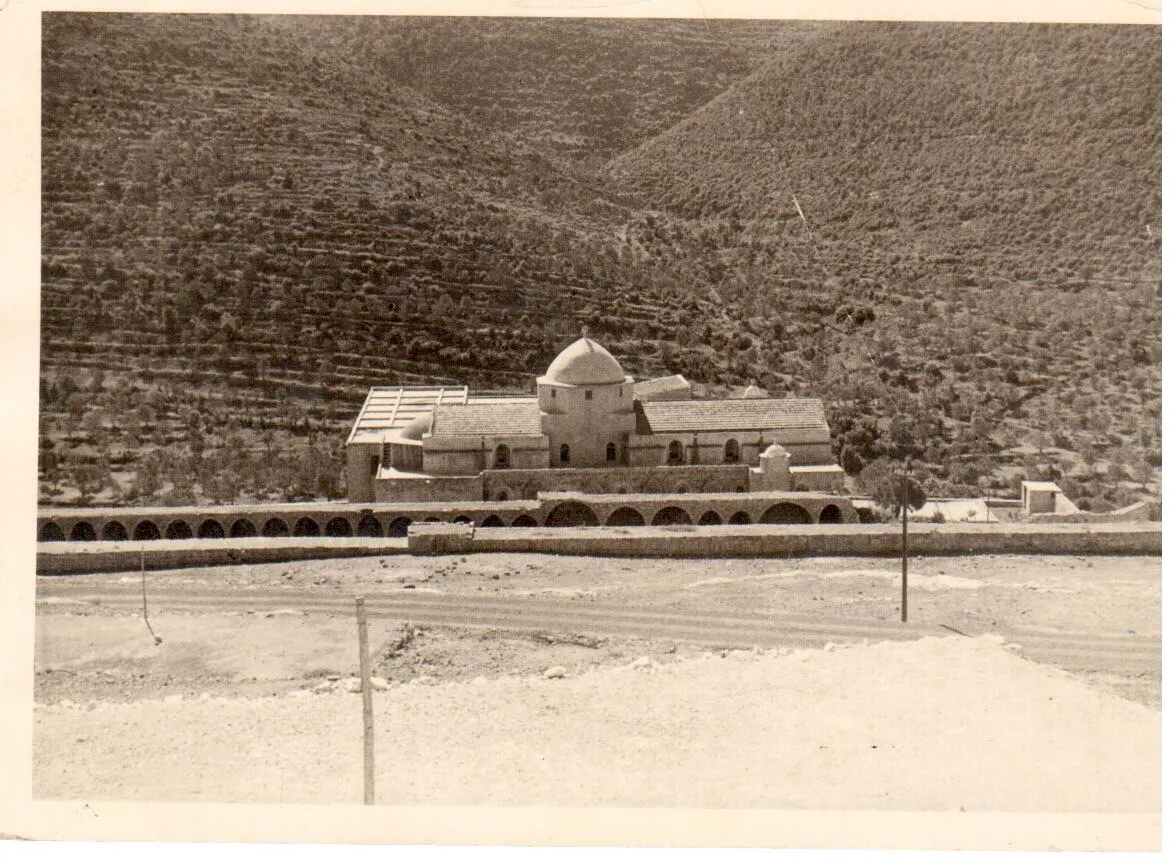
Historical Background
The monastery's origins are traditionally traced back to the 5th or 6th century AD, during the reign of the Byzantine Emperor Justinian I. It is widely believed to have been constructed atop the ruins of an ancient pagan temple dedicated to the deity 'Homeros'.
Architectural Evolution
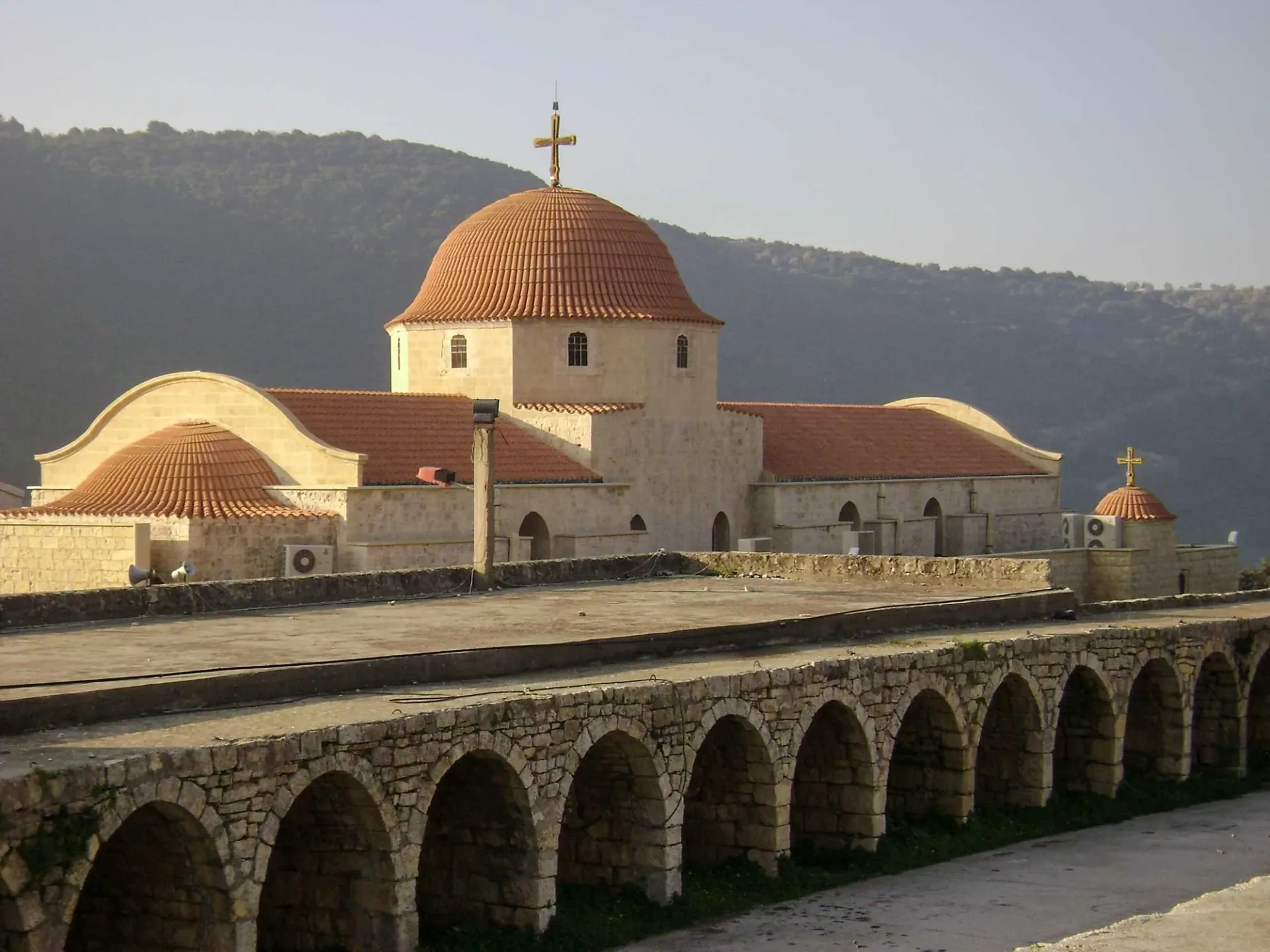
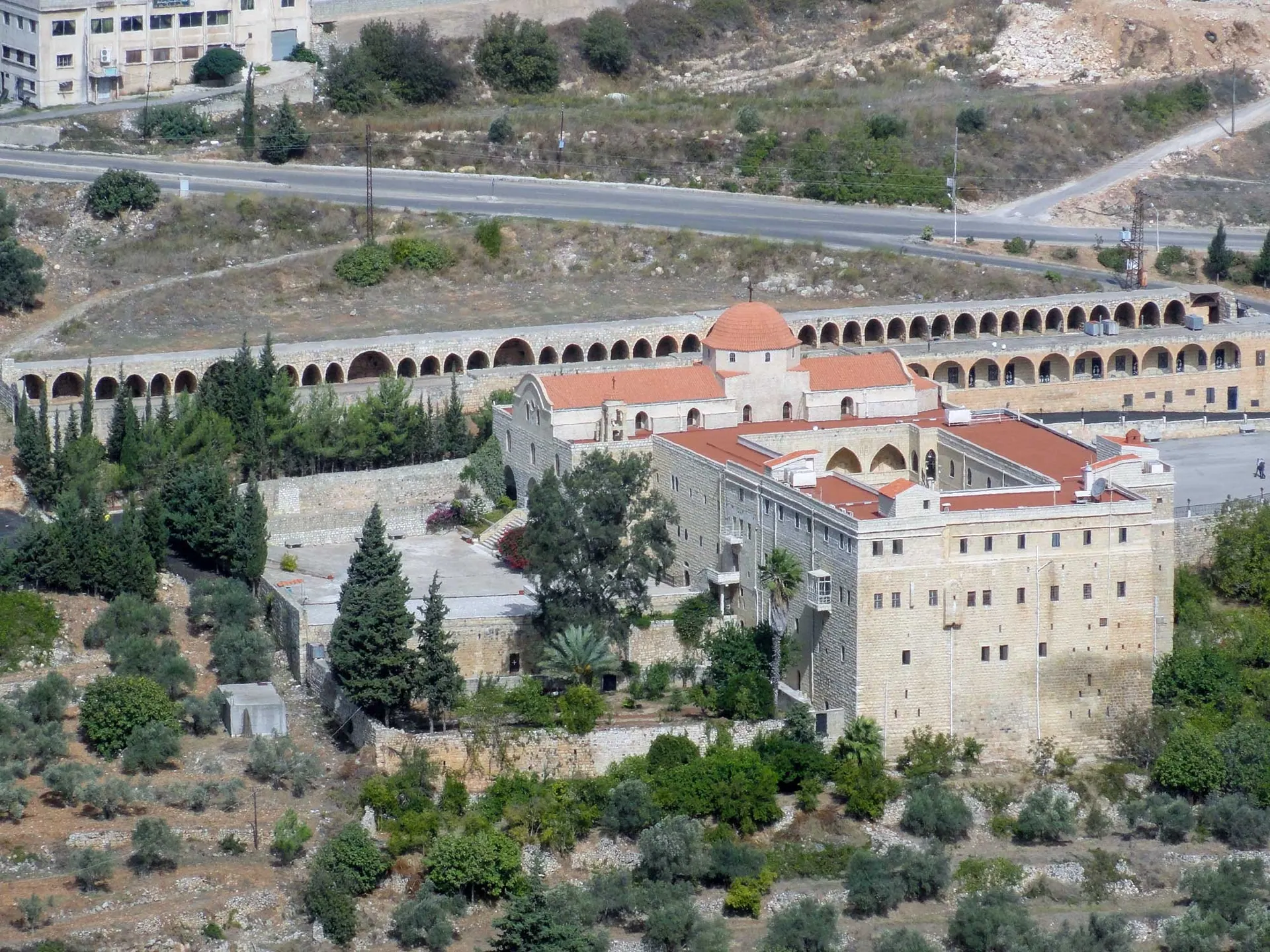
The architectural evolution of the monastery reflects its rich history and the diverse eras it has witnessed. The complex features three distinct floors, each embodying a different epoch of construction and unique cultural influence.
First Floor: The Old Monastery
The oldest part of the monastery was originally a cave, surrounded by cells for devout monks. Its southern facade is distinguished by a gate built of black stones, adjacent to a small stone window that was historically used to distribute bread and provisions to the needy, embodying the monastery's role in community service.
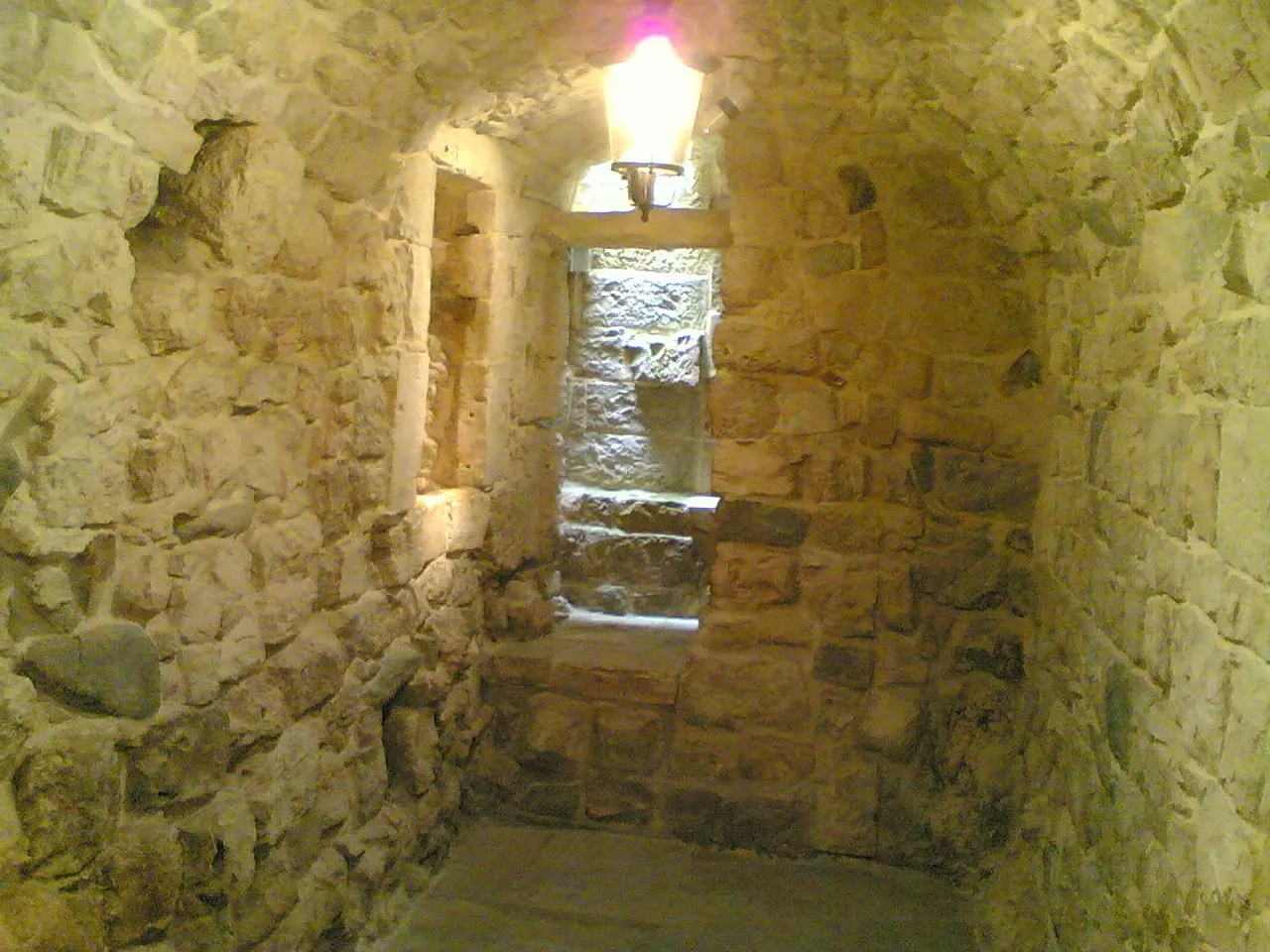
Second Floor: The Old Church
Added in the 12th century during the Crusader era, the second floor features a western entrance adorned with a carved cross, reflecting Crusader architectural styles. The entry is marked by the 'Horse Doors', named for their narrow design originally intended for riders. This floor houses the historic 'Old Church'.
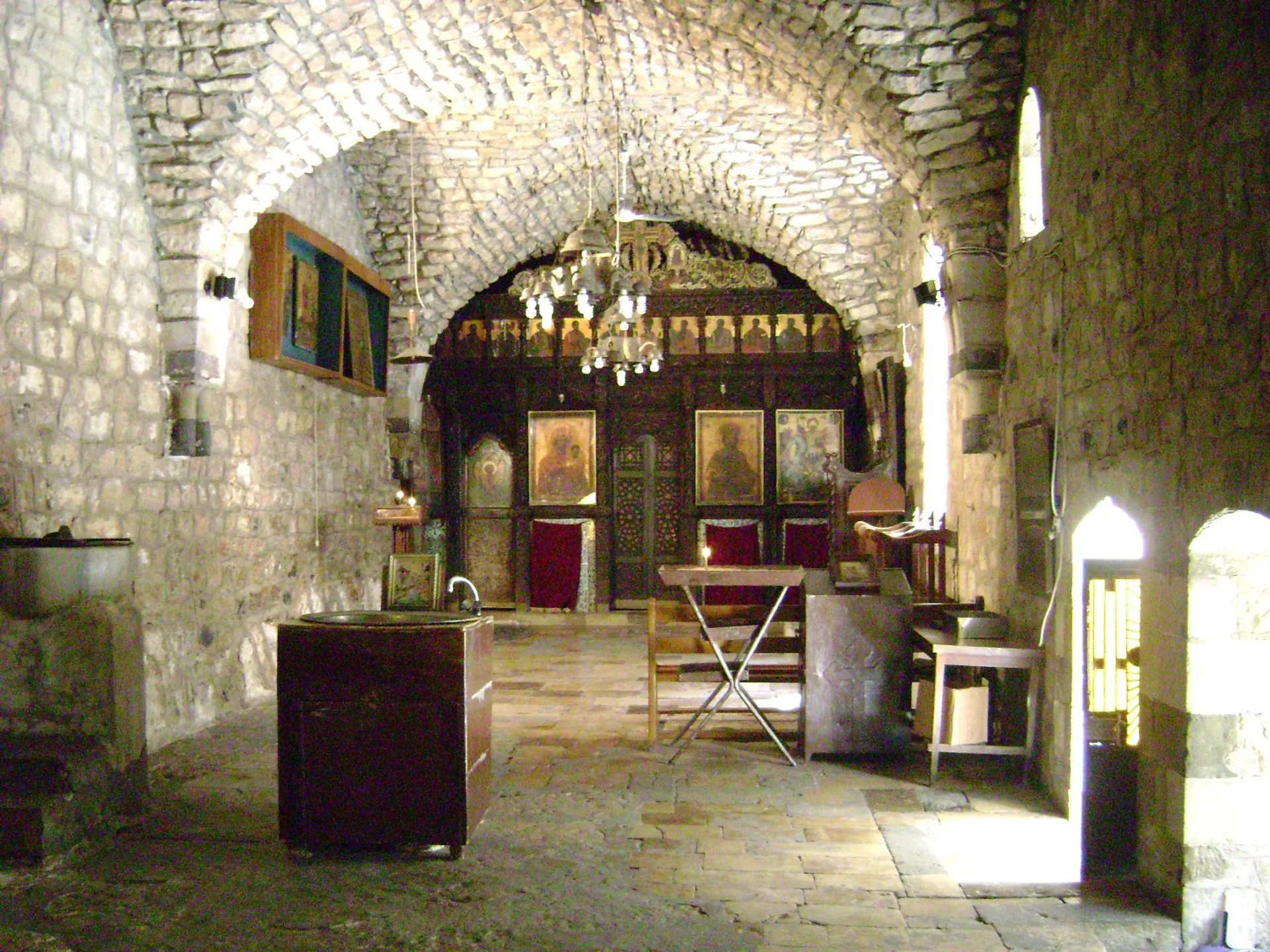
Third Floor: The New Church
Constructed in 1857, the third floor introduced a magnificent high dome and a new church decorated with exquisite wooden icons. This expansion represents a shift toward architectural grandeur, integrating elements of 19th-century design. The new church features a majestic wooden iconostasis, regarded as one of the finest in Syria and Lebanon; its completion spanned twenty-two years, with its sacred icons painted by master iconographers from Jerusalem in the 19th century.
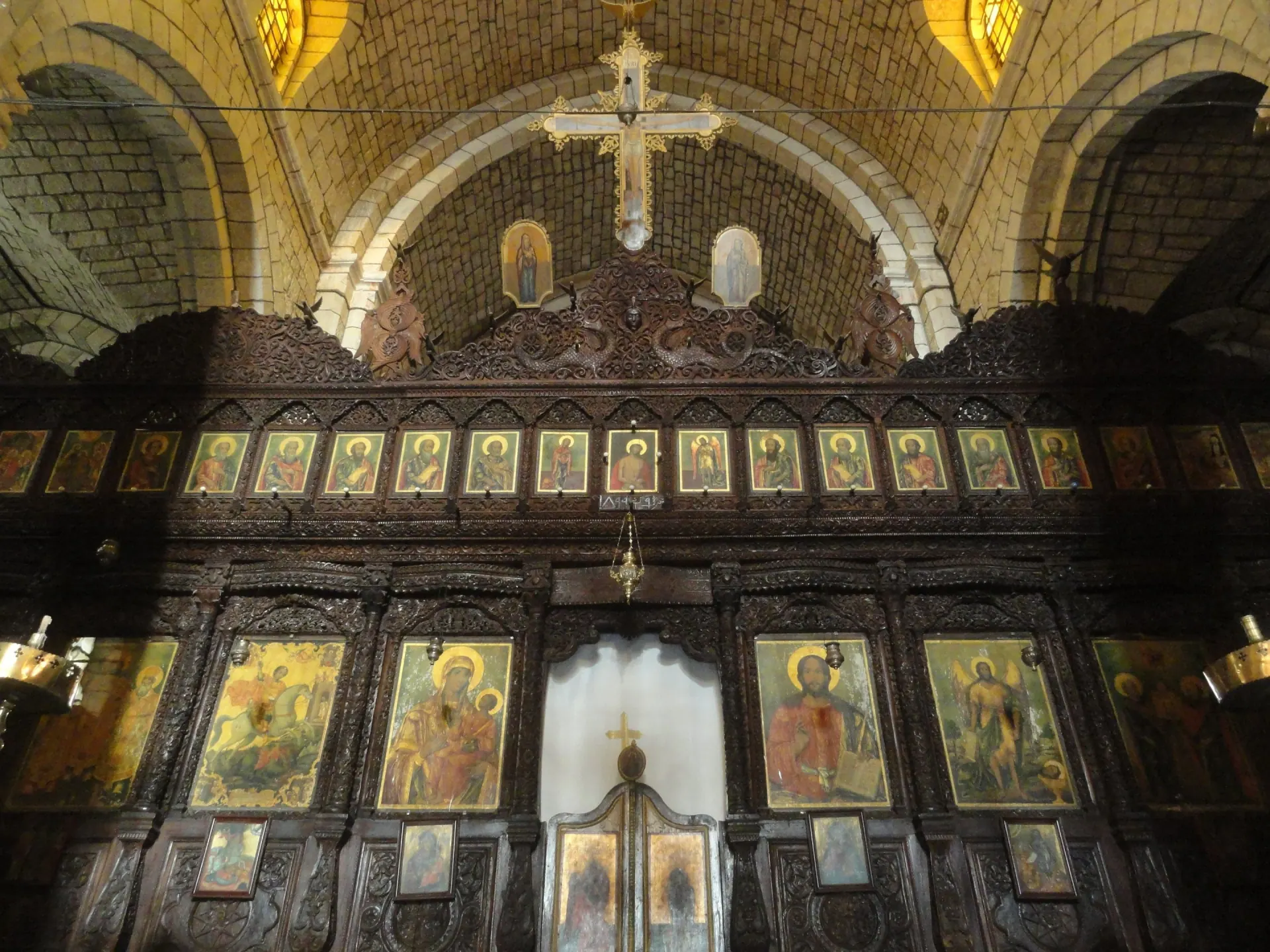
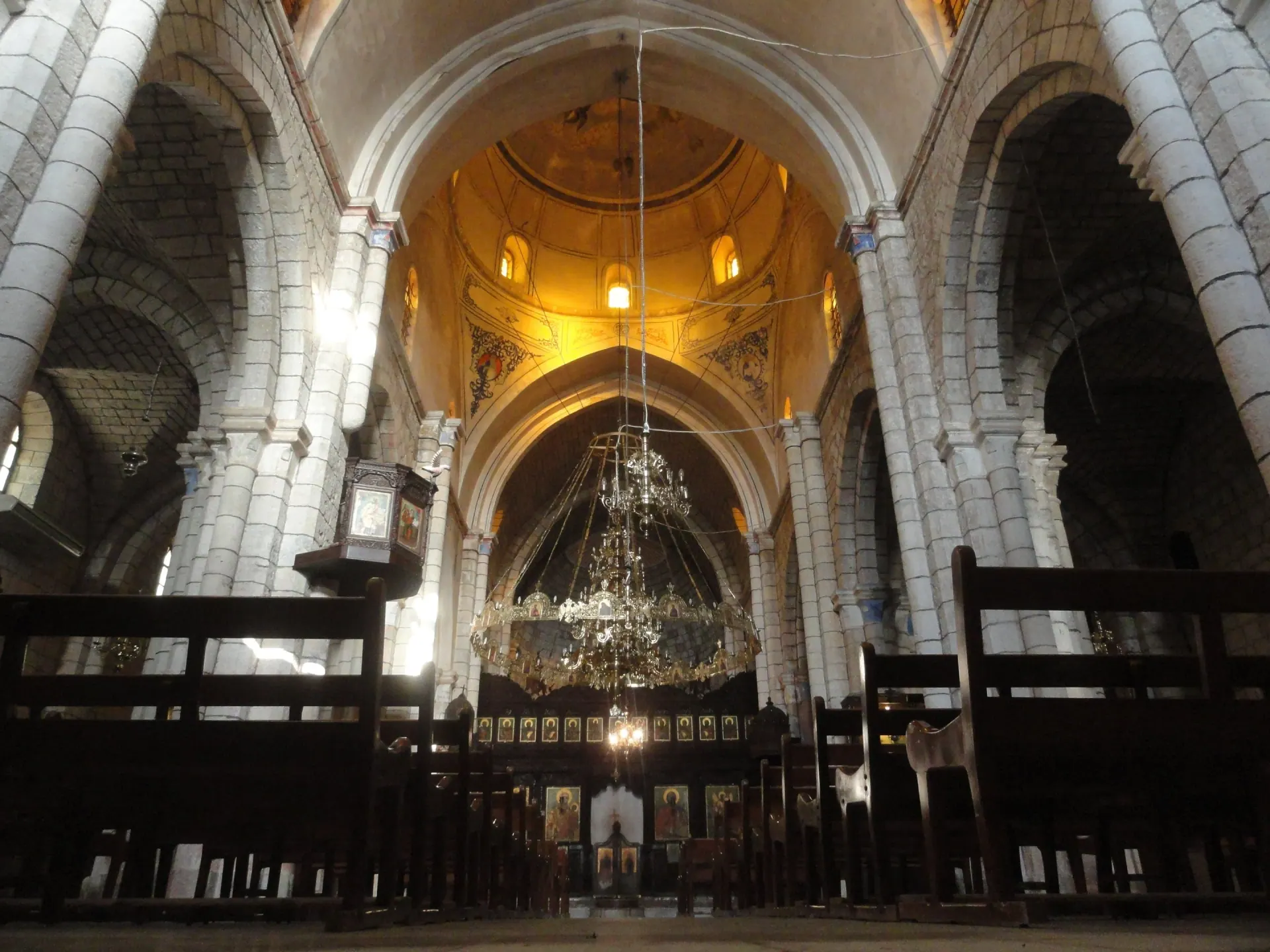
Cultural and Religious Significance
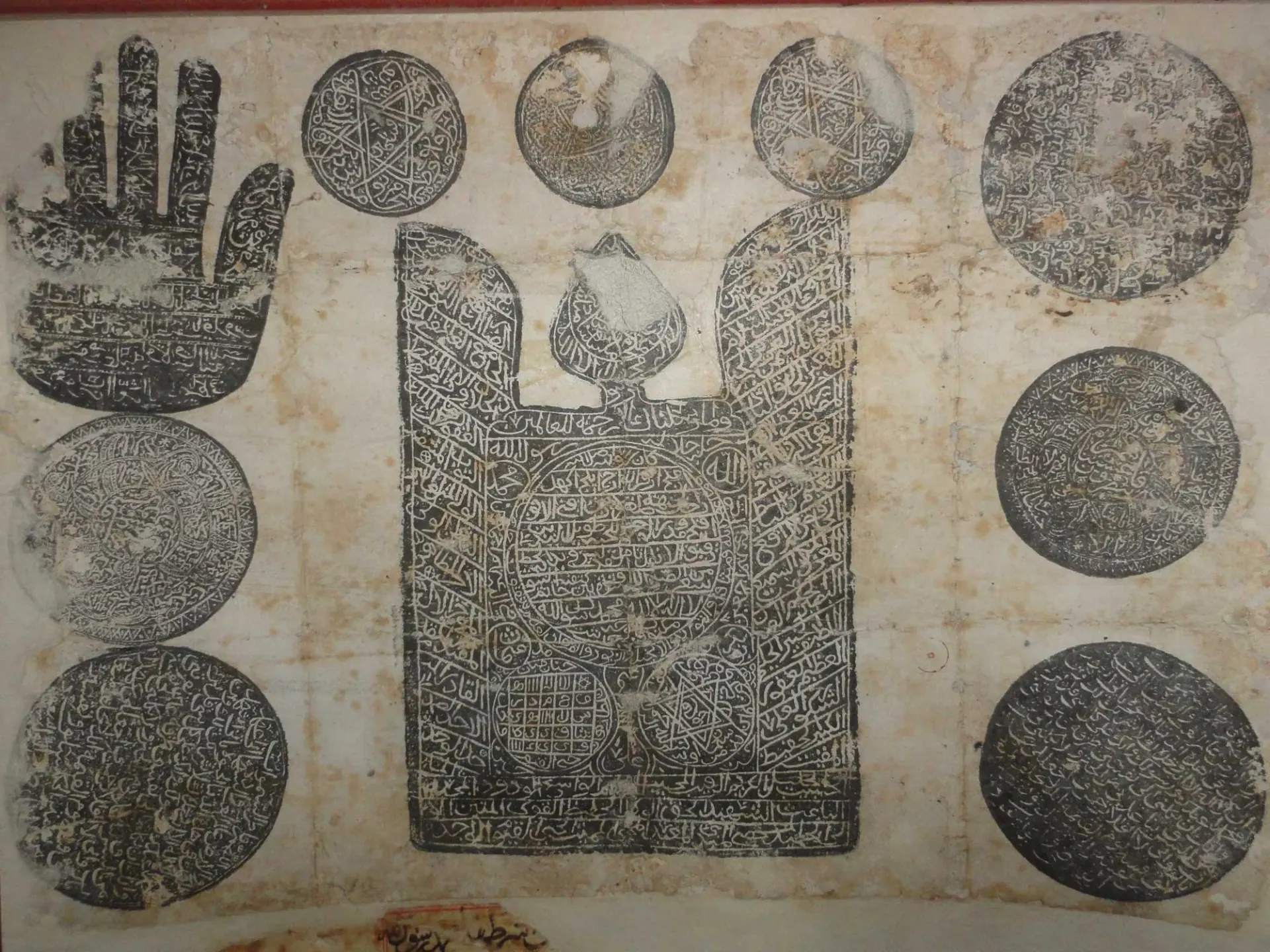
The Umari Manuscript
Among the monastery’s invaluable treasures is the 'Umari Manuscript,' a parchment document dictated by Caliph Umar ibn al-Khattab to Mu‘awiya ibn Sufyan in the fourth year of the Hijra (Islamic calendar). This document outlines the terms of protection for Christian communities under Islamic rule, emphasizing the sanctity of their places of worship, the prohibition of forced conversion, and the safeguarding of their religious leaders and properties. The manuscript serves as a historical testament to early Islamic policies regarding religious tolerance and peaceful coexistence.
References
- 1
Greek Orthodox Patriarchate of Antioch and All the East. St. Georges Al-Homeyra Patriarchal Monastery. https://www.antiochpatriarchate.org/en/page/st-georges-al-homeyra-patriarchal-monastery/145/
- 2
Wikipedia contributors. Saint George's Monastery, Homs. Wikipedia, The Free Encyclopedia. https://en.wikipedia.org/wiki/Saint_George%27s_Monastery%2C_Homs
- 3
Syrian Arab News Agency. St. George Monastery in Homs, one of the oldest monasteries in Syria. https://sana.sy/en/?p=9808